How to Use QR Codes in Advertising (5 Placements That Actually Work)
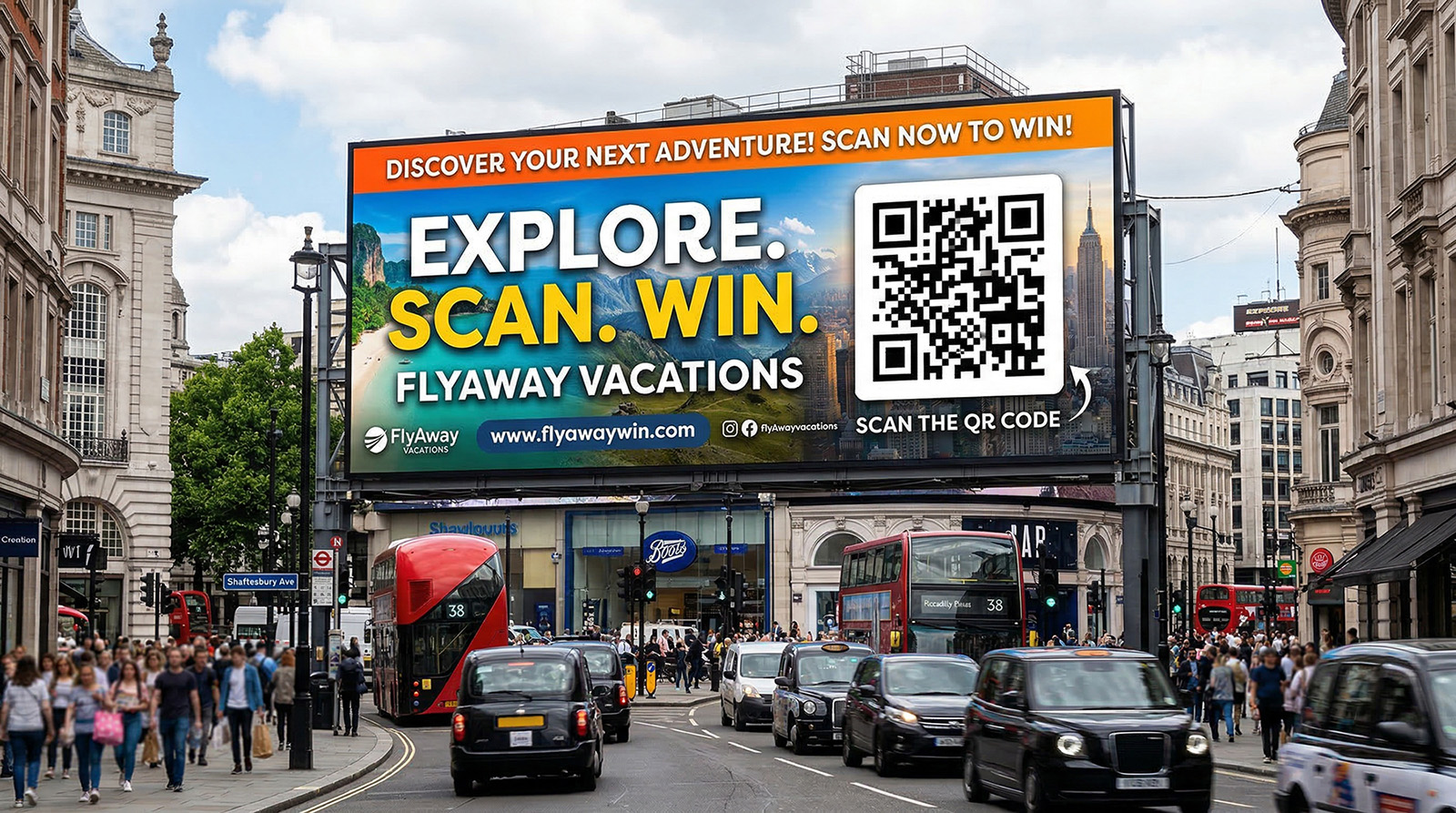
Most articles about QR codes in advertising explain what they are.
This one shows what actually works.
Below are real QR code advertising examples — including campaigns from Coinbase, McDonald’s, and L’Oréal — with actual results, scan behavior, and what made them successful.
If you're spending money on print, outdoor, direct mail, or TV — and using static QR codes — you're leaving both money and insight on the table.
What Are QR Code Advertising Examples?
QR code advertising examples are real-world campaigns where QR codes are used to drive actions like website visits, app downloads, or purchases.
The most effective campaigns combine:
- A clear incentive (discount, giveaway, or content)
- High-dwell-time placement (transit, packaging, in-store)
- A mobile-optimized landing page
- Dynamic QR codes with tracking
Below are real examples and what they reveal about what works.
The Benchmark Numbers You Need to Know First
Before getting into examples, here's the performance context that most articles skip:
- 37% average click-through rate for QR codes in advertising — compared to 2–5% for traditional digital display ads
- 10–30% scan rates are typical for well-placed QR codes with a strong incentive
- 99.5 million U.S. smartphone users are expected to scan a QR code in 2025
- Custom-designed QR codes attract 50–200% more scans than plain black-and-white codes
- 64% of shoppers have scanned a QR code while shopping in-store, and 79% say it made them more likely to purchase
Most QR code campaigns don’t fail because of the code — they fail because there’s no compelling reason to scan.
Real QR Code Advertising Examples (With Results)
1. Coinbase Super Bowl Ad — The QR Code as the Entire Creative
In 2022, Coinbase ran a Super Bowl spot that was nothing but a bouncing QR code on a black screen for 60 seconds — no voiceover, no product shots, no brand messaging until the very end. It directed viewers to a landing page offering free Bitcoin.
The result: the landing page crashed from traffic. Over 20 million hits in one minute.
What it proves: A QR code paired with a compelling, time-sensitive offer can outperform traditional ad creative.
2. Coca-Cola + Innocent Drinks Metro Campaign — 67% Conversion Rate
In June 2025, Coca-Cola and Innocent Drinks ran an out-of-home campaign in metro stations. QR codes linked to a seed giveaway promotion, capturing contact info for future marketing.
What it proves: The offer matters more than the placement.
3. McDonald's Anime Packaging Campaign — 20% App Download Lift
McDonald's placed QR codes on packaging tied to exclusive content and rewards.
What it proves: Serialized content creates repeat scans.
4. Miller Lite Wearable QR Jersey Campaign
Fans wore QR-enabled jerseys, turning people into walking billboards.
What it proves: Placement innovation increases engagement.
5. L'Oréal NYC Taxi Campaign — 80% Increase in App Downloads
QR codes placed inside taxis drove app installs.
What it proves: High dwell time environments outperform.
6. Unstop Gen Z Billboard Campaign
Meme-driven creative increased scan engagement.
What it proves: Relevance drives scans.
The pattern: the QR code isn’t supporting the ad — it is the conversion mechanism.
Why Most QR Code Ads Fail
No reason to scan
“Learn more” isn’t enough. Incentive drives action.
Not mobile optimized
Users drop off immediately if the experience is poor.
Using static codes
Dynamic QR codes allow updates and tracking — static codes do not.
Wrong placement
Time available to scan determines performance — if someone has 10+ seconds, QR codes work. If they have 2 seconds, they don’t get scanned.
No tracking
QR code analytics are essential to measure ROI.
The Setup That Separates Campaigns That Work
- Dynamic QR code only
- Clear incentive
- Mobile landing page
- Tracking enabled
- Placement aligned with dwell time
- Branded design
The Bottom Line
QR codes are the only part of a physical ad that gives you measurable feedback.
The difference between campaigns that work and those that don’t isn’t the technology — it’s the execution.
A small campaign with a trackable QR code can outperform a large campaign with no tracking.